

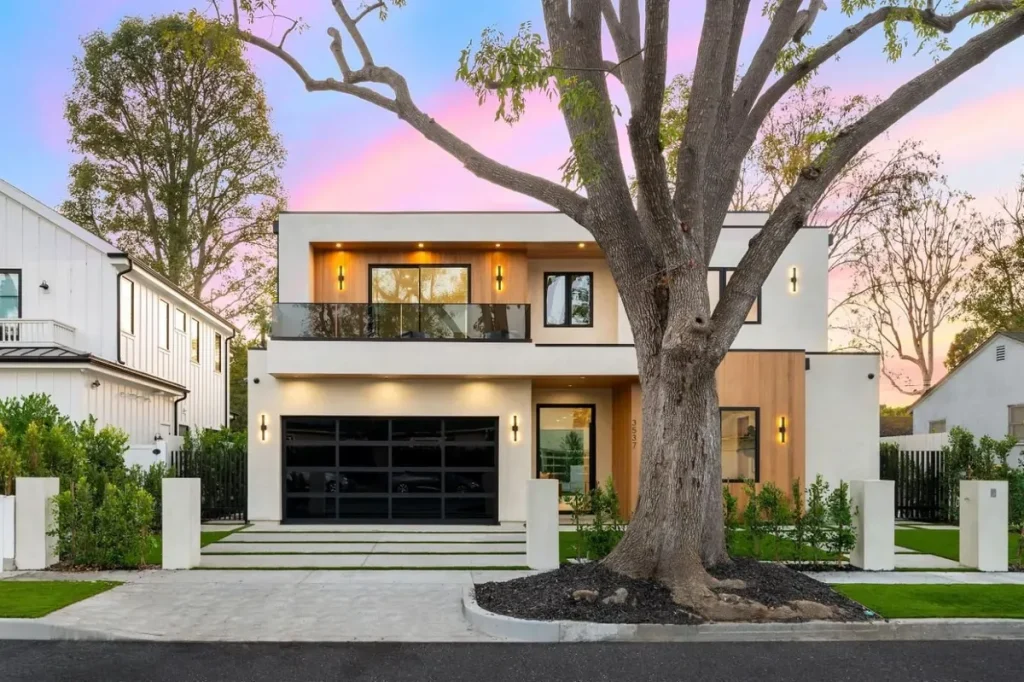
In recent years, the way people design and interact with their living spaces has undergone significant transformation. Modern living spaces are no longer just places for rest and relaxation; they have evolved into multifunctional environments that reflect personal style, technological advancement, and a growing awareness of sustainability. Several trends are shaping this evolution, influencing how homes are conceptualized, constructed, and experienced.
One of the most prominent trends in modern living spaces is the integration of smart technology. From voice-activated assistants to automated lighting and climate control systems, technology enhances convenience and efficiency within the home. Smart devices allow residents to customize their environment effortlessly while also improving energy management by reducing unnecessary consumption. This seamless blend of functionality with innovation is becoming a standard expectation in contemporary homes.
Another key trend is the emphasis on open floor plans that promote fluidity between different areas of the home. Unlike traditional compartmentalized rooms, open layouts encourage social interaction and flexible use of space. Kitchens often merge with dining and living areas to create communal hubs where families can gather more naturally. This spatial openness not only maximizes natural light but also fosters a sense of connection among inhabitants.
Sustainability has become an essential consideration in designing modern interiors. Eco-friendly materials such as reclaimed wood, bamboo flooring, low-VOC paints, and recycled metals are increasingly popular choices among homeowners who prioritize environmental responsibility. Additionally, energy-efficient appliances and solar panels contribute to reducing carbon footprints while lowering utility costs over time. The focus on green design reflects a broader cultural shift toward mindful consumption and stewardship of natural resources.
Minimalism continues to influence aesthetic preferences in contemporary homes as well. Clean lines, neutral color palettes, uncluttered surfaces, and functional furniture pieces create calm environments that emphasize simplicity without sacrificing comfort or style. This approach resonates with individuals seeking respite from hectic urban lifestyles by cultivating serene sanctuaries at Modern home design elements further enhance modern interiors by incorporating nature-inspired features such as indoor plants, natural textures like stone or wood grain finishes, large windows framing outdoor views, or even water features inside living spaces. Connecting occupants with nature supports mental well-being while adding warmth and vitality to otherwise sterile settings.
Finally, adaptability remains crucial given changing lifestyles influenced by remote work trends or multigenerational households sharing one residence. Modular furniture systems that can be reconfigured easily accommodate various needs ranging from office setups during working hours to entertainment zones during leisure time.
Together these trends demonstrate how modern living spaces prioritize comfort through intelligent design choices that respect both individual preferences and planetary health-crafting homes not merely as shelters but as dynamic ecosystems tailored for present-day life demands.
