

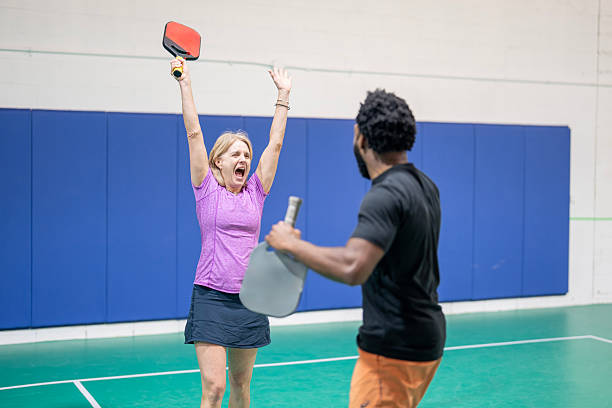
Organized pickleball events play a significant role in fostering and expanding local sports communities by bringing people together around a shared interest. These events create structured opportunities for players of all skill levels to engage in the sport, promoting both competition and camaraderie. By offering regular tournaments, leagues, and social gatherings centered on pickleball, organizers help establish a consistent framework that encourages participation and growth within the community.
One of the key benefits of organized pickleball events is their ability to attract diverse groups of participants. Whether newcomers or experienced athletes, individuals find a welcoming environment where they can improve their skills while meeting others who share their enthusiasm. This inclusivity helps break down barriers often associated with less formal recreational activities. As more people get involved through these well-managed occasions, local interest intensifies, leading to an increase in membership at clubs and use of public facilities dedicated to the sport.
Furthermore, organized events provide valuable exposure for pickleball tournaments Texas as a competitive yet accessible activity. Well-promoted tournaments generate excitement that extends beyond current players to potential fans and sponsors. Media coverage or word-of-mouth recommendations stemming from these occasions raise awareness about the sport’s appeal and accessibility. Such visibility attracts new participants who might not have otherwise considered trying pickleball but are drawn by witnessing its dynamic nature firsthand.
In addition to boosting participation numbers, structured events offer opportunities for skill development through coaching clinics or workshops often held alongside competitions. This educational aspect enhances player confidence and performance while reinforcing community bonds as individuals learn together under expert guidance. The presence of qualified instructors adds credibility to local programs and encourages ongoing commitment among attendees.
Organizing regular pickleball activities also stimulates economic benefits within communities by increasing traffic to nearby businesses such as restaurants, sporting goods stores, and hotels when larger tournaments take place. This positive economic impact can motivate municipal support for further investment in sports infrastructure like courts or lighting systems designed specifically for pickleball play.
Moreover, these gatherings foster leadership opportunities among volunteers who assist with event planning or officiating matches-roles that deepen engagement beyond mere participation. Developing strong volunteer networks contributes toward sustainable growth since committed individuals become advocates for improving facilities and organizing future events.
In summary, organized pickleball events serve as vital catalysts for nurturing local sports communities by encouraging widespread involvement through inclusive competition formats while enhancing skill development opportunities; generating increased visibility; supporting local economies; and cultivating leadership essential for long-term sustainability within the sport’s grassroots network.
